Ask anyone who lives here where to eat in the evening and they'll point you the same way: the bờ kè (seawall, or wharf) that runs along Nguyễn Đình Chiểu street. Eating Bo Ke Mui Ne seafood is one of those experiences that stays with you long after the tan fades — plastic stools on the concrete, the sea a few metres away, crab and squid coming off a charcoal grill at a price that would be unthinkable back home.
It's also the one place in Mui Ne where visitors most often feel they paid too much. The good news is that getting overcharged here isn't inevitable, and it isn't a matter of luck. It comes down to about six habits, all of which take seconds. Here's how the seawall works, what to order, and how to make sure the bill at the end matches what you expected.
Where Bo Ke Is and Why Everyone Eats There
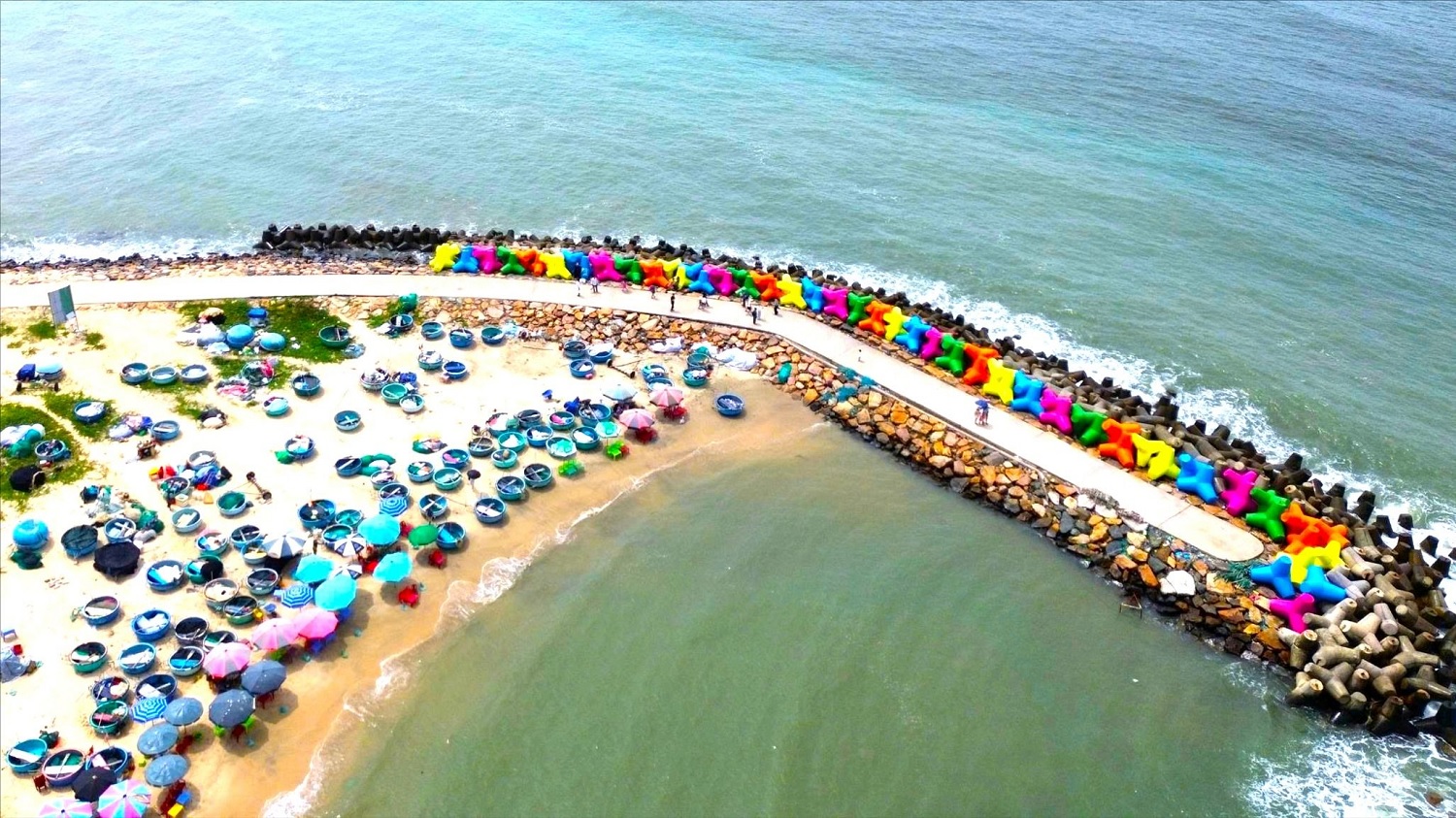
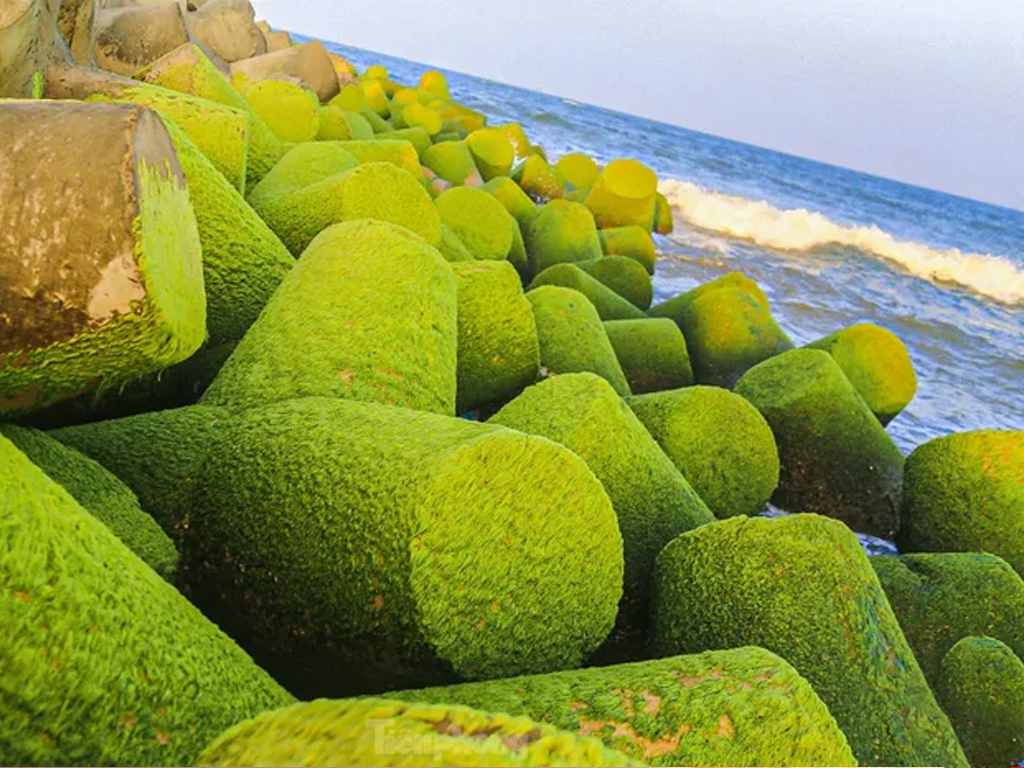
The seawall runs along Nguyễn Đình Chiểu street in Hàm Tiến ward, roughly 10–12 km from the centre of Phan Thiết. It was built as a wave break, and the strip of open ground behind it turned into an informal food street: dozens of open-fronted restaurants, tanks of live seafood out at the front, tables spilling toward the water.
What makes it different from a normal restaurant is that you choose your own dinner. The seafood is alive in tanks and trays at the entrance — crab, prawns, squid, sea snails, sometimes lobster — and you point at what you want, watch it weighed, and tell the kitchen how you'd like it cooked. That's the appeal, and it's also exactly where the money questions come in, because almost nothing is sold at a flat menu price.
What Eating Here Actually Looks Like
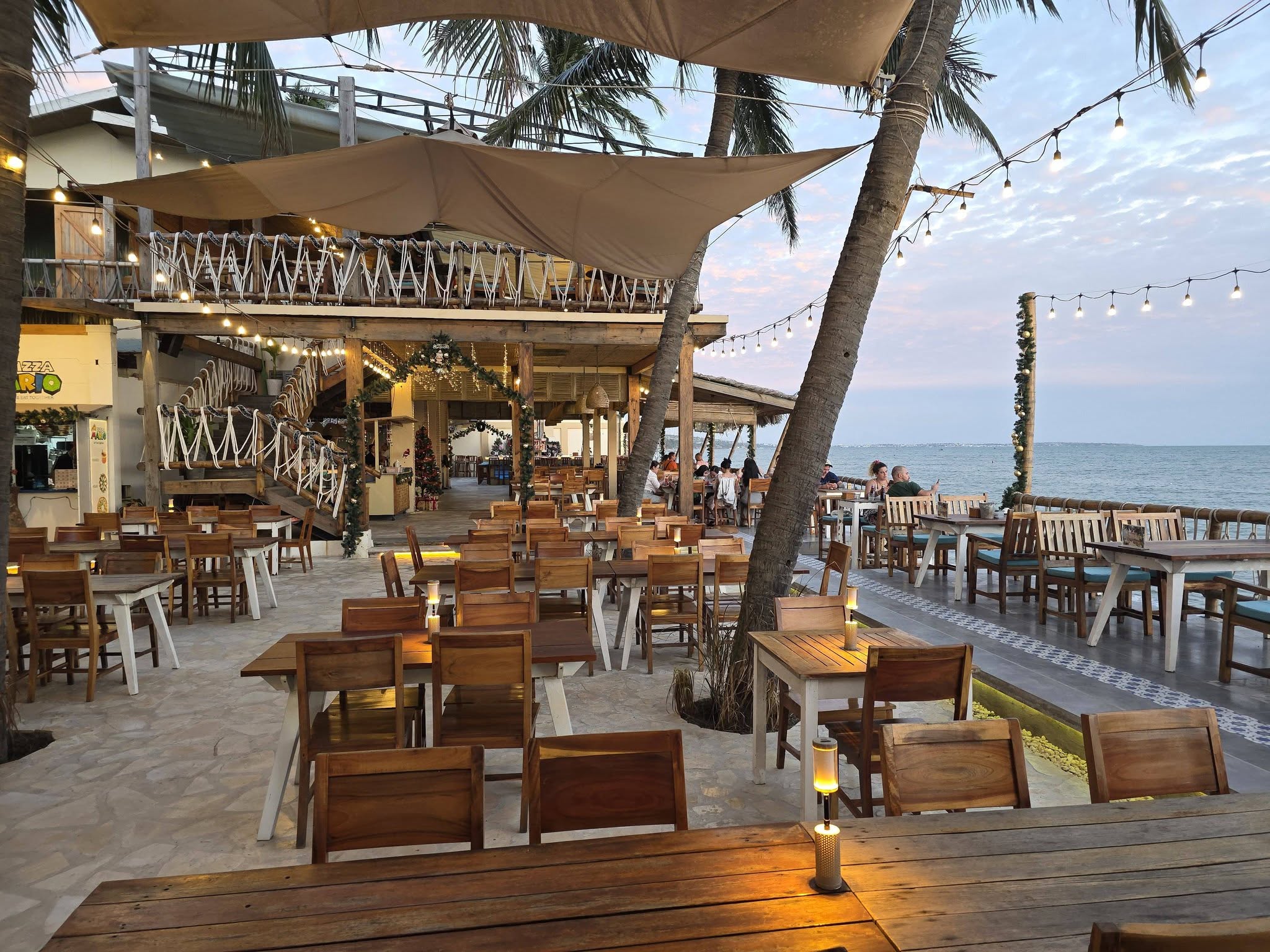
Most places along the wharf work the same way. You arrive, someone waves you to a table, and you walk back to the tanks with a staff member and a basket. You pick your seafood; it goes on the scale; you're quoted a price per kilogram; then you choose a cooking style — steamed, grilled, stir-fried with tamarind, whatever the house does well. Twenty minutes later it arrives at the table.
Several names come up again and again with locals and Vietnamese food bloggers along this stretch: Bi Bo, known for shellfish grilled with butter and spring onion oil and a sour-and-spicy seafood hotpot; Mr. Crab (Mr. Cua), a large place with easy parking, electronic price displays and quick service even when it's packed; and Hồng Phát, which faces the water and is best known for mực một nắng nướng (squid dried in the sun for a single day, then grilled with salt and chilli). Others you'll see along Nguyễn Đình Chiểu include Lacheln, Một Nắng Seafood, Tuấn Thảo 180, Bờ Kè 86 and Bon Bon.
None of these are secrets, and that's the point — busy places with visible turnover and posted prices are the safest bet for a first visit.
How to Pick Bo Ke Mui Ne Seafood That's Actually Fresh
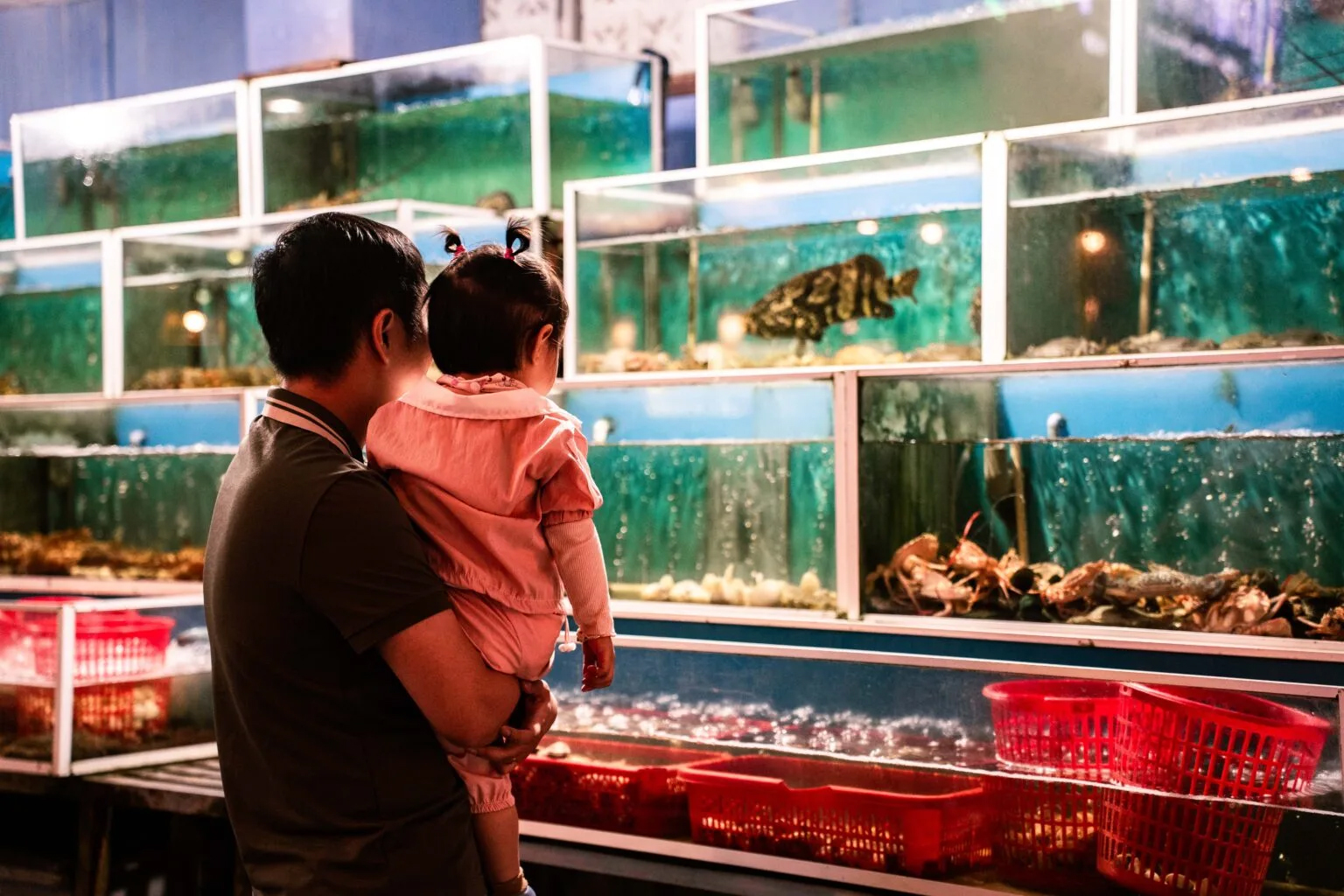
Freshness and price are the same conversation. A hollow crab costs the same per kilo as a full one, so knowing what to look for is money in your pocket. Vietnamese diners use a few quick checks:
-
Crab: press the underside shell (the yếm). It should feel firm and solid. If it gives easily, the crab is light on meat.
-
Don't automatically pick the biggest one. Oversized crabs are often ốp — hollow, recently moulted, and mostly shell.
-
Prawns: choose ones still moving in the tank. Sluggish or motionless prawns have been sitting.
-
Squid: look for glossy skin and clear, bright eyes rather than cloudy ones.
-
Sea snails: touch them. A living snail pulls back into its shell quickly.
Take the extra thirty seconds. Nobody minds — this is normal behaviour here, and staff generally respect a customer who knows what they're looking at.
Six Habits That Stop You Getting Overcharged
This is the part worth memorising. Every one of these takes a few seconds and removes the most common sources of a surprise bill.
-
Ask the price before anything is cooked. Not after it's weighed, not after it's grilled — before. Ask for the price per kilogram and, if it's a big item like lobster, ask what this specific piece will come to in total.
-
Clarify whether cooking is included. This is the single most common misunderstanding at the seawall. Some places charge a separate preparation or cooking fee on top of the weight price. Ask plainly: is the cooking included in this price? Getting a clear yes or no up front prevents the argument later.
-
Check whether it's priced by weight or by piece. Crab and prawns are usually per kilo; some items are per piece. Mixing the two up is how a modest order turns into an eye-watering number.
-
Watch the scale — and check it reads zero first. Look at the display before your seafood goes on it. This one glance is your best protection against a weighted or mis-set scale.
-
Let the seafood drain before it's weighed. Anything lifted straight out of a tank carries water, and water is heavy. A quick shake of the basket is a perfectly normal thing to ask for.
-
Read the bill properly. Check the items against what you actually ordered, and look at the extras. Wet wipes, peanuts, tissues and the small dish of snacks that appeared unasked are often chargeable, and VAT or a service charge may be added at the end.
A note on tone: none of this needs to be confrontational. Asking about prices is completely ordinary at a Vietnamese seafood wharf, and most vendors answer straightforwardly. Trouble tends to find the diners who ask nothing at all, then discover the numbers at the end.
What to Order
If you want the classics, start here:
-
Ghẹ hấp bia — blue swimming crab steamed with beer and lemongrass. Sweet, clean, and the easiest way to judge whether a place is buying good crab.
-
Ốc nướng mỡ hành — assorted sea snails grilled with spring onion oil. Cheap, endlessly shareable, and the smell alone will pull you in from the street.
-
Mực một nắng nướng — one-sun-dried squid, grilled. A genuine Phan Thiết speciality and quite different in texture from fresh squid.
-
Cua rang me — crab stir-fried in tamarind sauce. Sticky, sour-sweet, and messy in the best way.
-
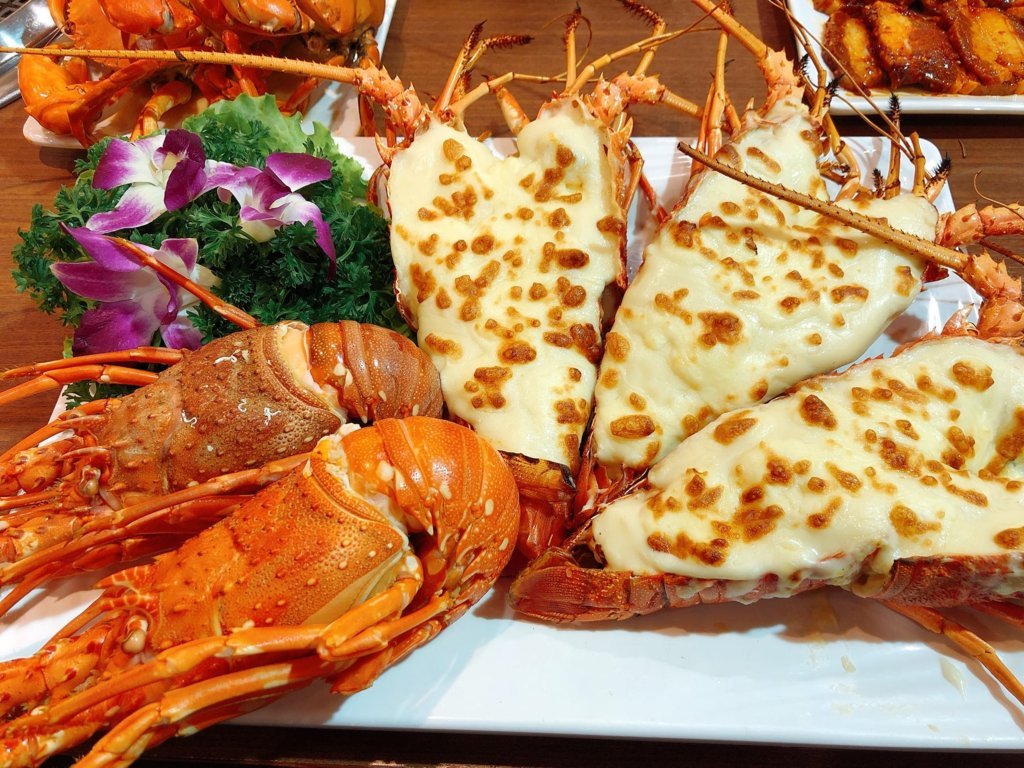
Tôm hùm nướng phô mai — lobster grilled with cheese. The blow-out option; agree the total price for your specific lobster before it leaves the tank.
Order in stages rather than all at once. Two or three dishes, then decide — it's easier on the stomach and much easier on the wallet, and grilled seafood is best eaten as it comes off the coals anyway.
Best Time to Go
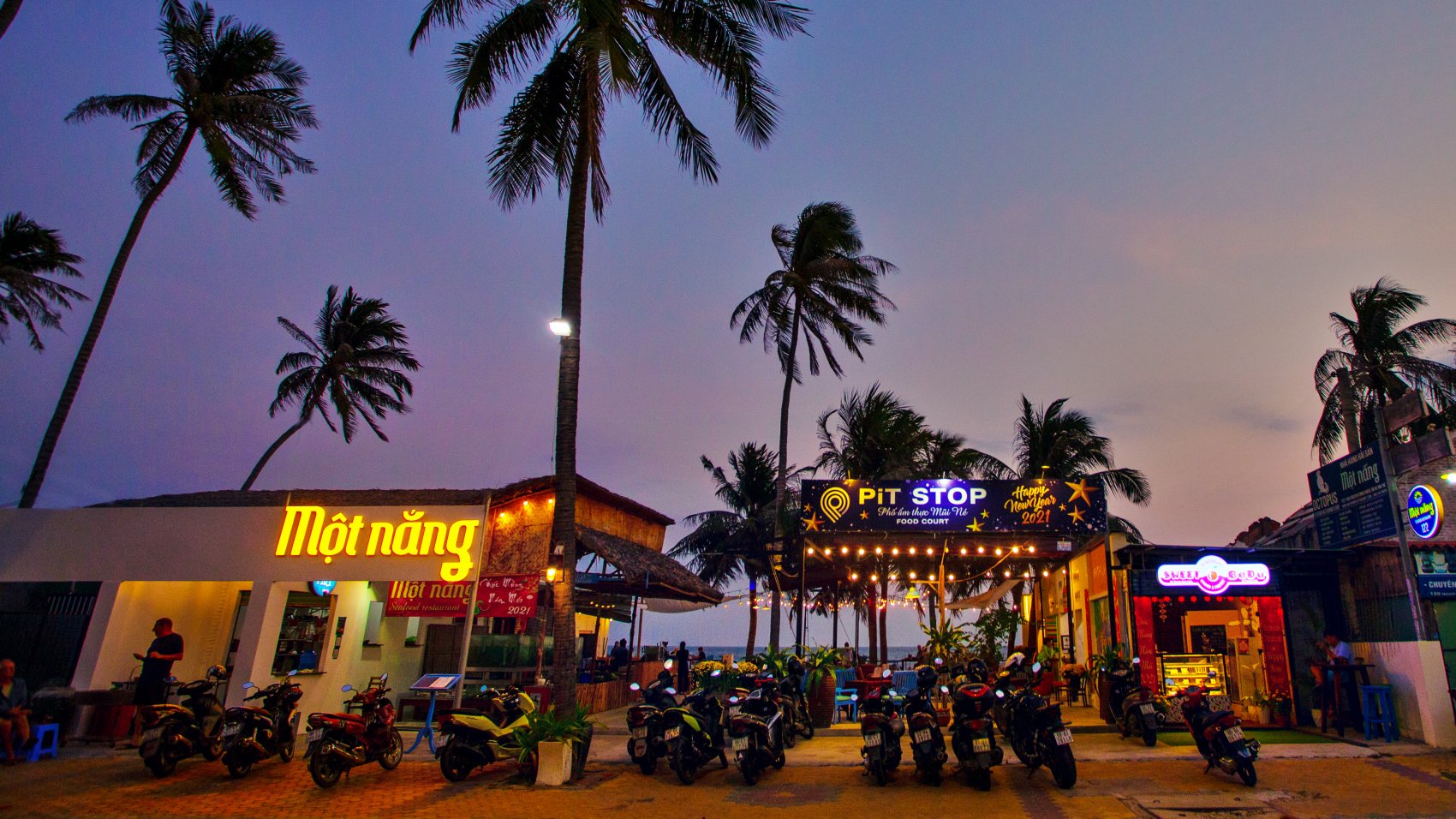
Late afternoon into the evening is when the seawall comes alive. Arriving around sunset gets you the best of both: the sky over the water while it's still quiet, then the buzz as the tables fill up. If you're here on a weekend or during the November-to-April peak season, come earlier rather than later — the popular places fill fast, and a rushed kitchen is where mistakes and mix-ups happen.
Bring cash. Some restaurants take transfers or cards, but many don't, and the ones that do sometimes add a fee. Come as a group if you can, too: seafood here is priced by weight and served family-style, so four people sharing five dishes eat far better per person than a couple ordering two.
Fitting It Into Your Day in Mui Ne
The seawall is an evening thing, which makes it the natural bookend to a day spent out at the dunes. Most visitors do the classic Mui Ne circuit in the morning — the Red and White Sand Dunes, the Fairy Stream, the fishing village — then spend the afternoon at the beach and roll into Nguyễn Đình Chiểu for dinner as the light goes. A shared Jeep tour takes about 4.5 hours, so a morning departure leaves the whole evening free.
If you'd rather chase the sunset at the White Sand Dunes and eat later, a private Jeep tour lets you set your own departure time and drop-off point — including being dropped at the seawall itself. Handily, the whole scene runs along the same street as Tony's Mui Ne Jeep Tour at 135 Nguyễn Đình Chiểu, so ask your driver which places are busy that week; they eat here too, and their answer will be more current than any list.
Go with a rough plan, ask about prices before anything hits the grill, and Bo Ke will be one of the best meals of your trip rather than a story about a bill.
Explore Mui Ne With Tony's Mui Ne Jeep Tour
Spend the morning in the dunes and the evening on the seawall — that's a near-perfect day in Mui Ne. Tony's Mui Ne Jeep Tour takes you off the beaten path in an open-top Jeep to the Red and White Sand Dunes, the Fairy Stream and the fishing village, with friendly English-speaking drivers and free hotel pickup in Mui Ne.
Call/WhatsApp: +84 819 711 858 | Zalo: 0819 711 858 | tonyjeeptour@gmail.com
135 Nguyen Dinh Chieu, Mui Ne, Phan Thiet
Book Your Mui Ne Jeep Tour Now
Tags: